
“`html
Kettlebells or Dumbbells: The Ultimate Showdown for Muscle Building and Strength Gain!
The Rising Popularity of Free Weights
In the evolving world of fitness, free weights have reclaimed their throne as staples for building muscle and boosting strength. Among these, kettlebells and dumbbells stand out as two of the most versatile and effective training tools. But if you’re aiming to pack on muscle and increase your strength, which one truly deserves a spot in your gym bag? Before you settle the debate, let’s dive into what each offers and how they differ.
Understanding the Basics: What Are Kettlebells and Dumbbells?
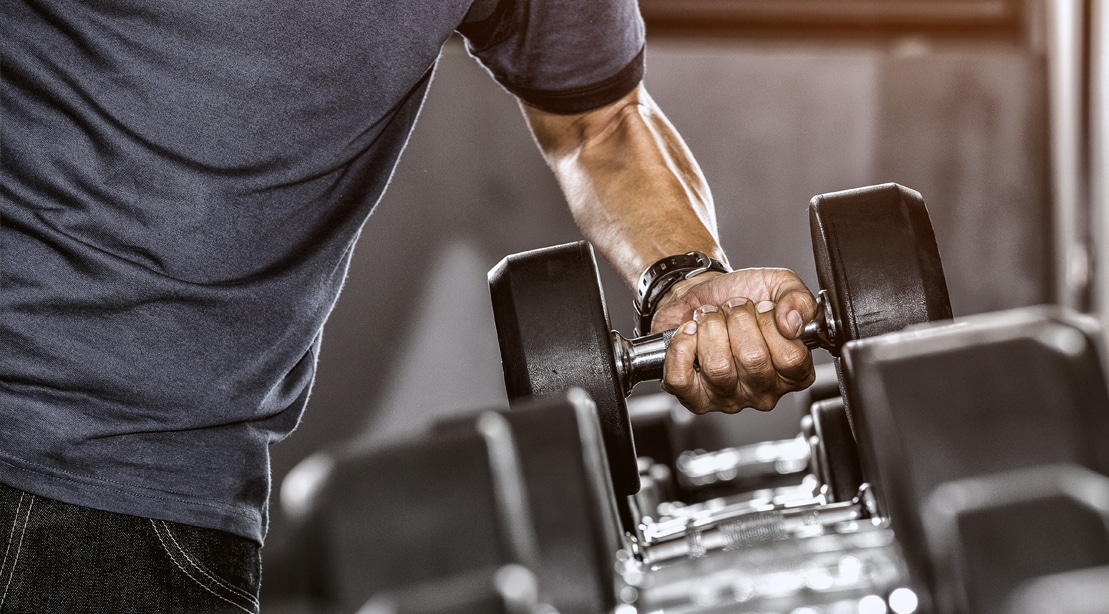
Dumbbells are the classic, symmetrical weights you’re probably most familiar with: a short bar with equal weights on either side. Versatile and straightforward, dumbbells allow for a wide range of exercises that target specific muscles with controlled, isolated movements.
Kettlebells, on the other hand, are cast iron or steel weights shaped like a cannonball with a handle on top. Their unique design allows for dynamic, swinging movements that engage multiple muscle groups, coordinating strength, power, and endurance.
Muscle Building: Isolated Control or Full-Body Engagement?
When the goal is hypertrophy (muscle growth), the quality of muscle tension and exercise variety matter. Dumbbells excel in this arena due to their ability to provide:
- Isolated muscle targeting: Exercises like bicep curls, chest presses, and lateral raises allow for precise focus on individual muscles.
- Progressive overload: Dumbbells come in incremental weights, making it easier to increase resistance regularly and safely.
- Stability and control: The symmetrical shape promotes controlled, slow movements essential for muscle fatigue and growth.
Studies published in peer-reviewed journals note that controlled eccentric and concentric muscle contractions, often achieved through dumbbell exercises, stimulate muscle hypertrophy effectively.
By contrast, kettlebells shine for their ability to recruit multiple muscles simultaneously, often incorporating explosive, ballistic movements such as swings, cleans, and snatches. These dynamic exercises:
- Activate the posterior chain (glutes, hamstrings, lower back) effectively.
- Boost muscular endurance alongside strength.
- Improve core stability and grip strength.
However, kettlebell training tends to be less about isolated muscle hypertrophy and more about functional strength development, power output, and endurance.
Strength Gains: Which Tool Packs More Power?
Strength gain depends largely on load, form, and motor unit recruitment. Dumbbells allow lifters to steadily increase their resistance, training muscles through controlled, heavy lifting for maximal strength development.
Example: Performing a heavy dumbbell chest press or goblet squat challenges muscles under high tension with minimal momentum, ideal for building raw strength.
Kettlebells, due to their offset center of