
Unsteady at 50? Discover How Your Posture and Balance Could Be the Culprit, Starting from Your Chin
Understanding the Importance of Posture and Balance
As we age, it is common to experience changes in our posture and balance. These changes can have a significant impact on our overall health and well-being. Proper posture is essential for maintaining good balance, preventing falls, and reducing the risk of injury.
The Role of the Chin in Posture and Balance
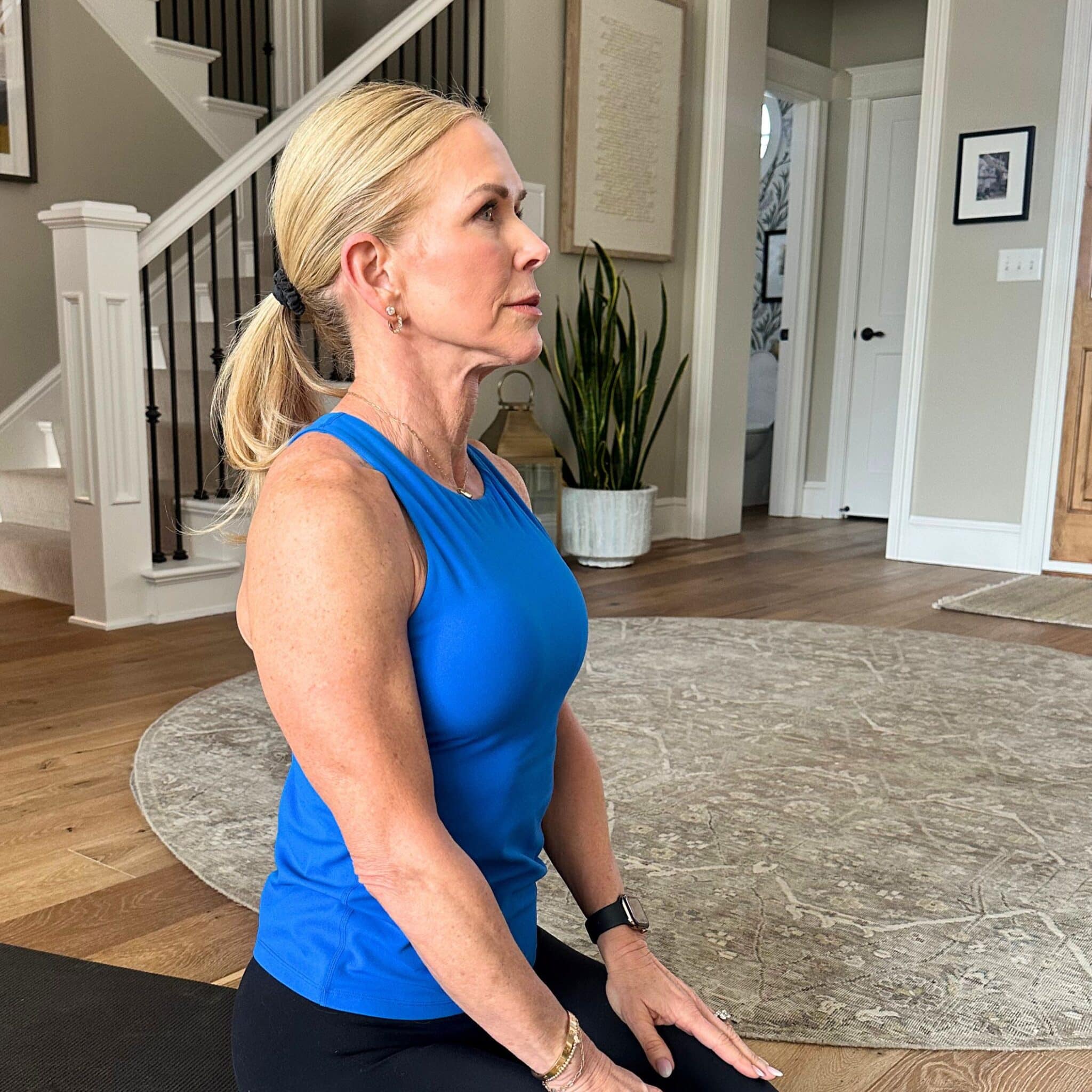
Believe it or not, your chin plays a crucial role in maintaining proper posture and balance. When your chin is properly aligned, it helps to keep your head, neck, and spine in the correct position. This alignment is essential for supporting the weight of your head and maintaining balance.
Effects of Poor Chin Alignment
When your chin is out of alignment, it can cause a chain reaction of negative effects on your posture and balance. A forward-leaning chin can lead to a rounded back, slouched shoulders, and an increased risk of falls. This poor alignment can also put strain on your muscles and joints, leading to pain and discomfort.
Exercises to Improve Chin Alignment
Fortunately, there are exercises you can do to improve your chin alignment and promote better posture and balance. Here are a few exercises to try:
Chin tucks:
Sit or stand with your back straight. Slowly tuck your chin towards your chest, keeping your head level. Hold for a few seconds, then return to the starting position. Repeat 10 times.
Neck stretches:
Gently tilt your head to one side, bringing your ear towards your shoulder. Hold for 15-30 seconds, then switch sides. Repeat 3-5 times on each side.
Shoulder rolls:
Roll your shoulders forward in a circular motion, then roll them back. Repeat 10 times in each direction.
Other Factors Affecting Posture and Balance
In addition to chin alignment, there are other factors that can affect your posture and balance as you age. These include muscle strength, flexibility, and proprioception (the body’s ability to sense its position in space).
Maintaining Muscle Strength:
Regular strength training exercises can help maintain muscle strength and improve posture. Focus on exercises that target the core, back, and leg muscles.
Improving Flexibility:
Stretching exercises can help improve flexibility and range of motion, reducing the risk of muscle tightness and stiffness that can affect posture.
Enhancing Proprioception:
Balance exercises, such as standing on one leg or using a balance board, can help improve proprioception and stability. These exercises challenge your body to maintain balance and strengthen the muscles involved in posture.
Seeking Professional Help
If you are experiencing persistent issues with your posture and balance, it is important to seek help from a healthcare provider. They can assess your posture, identify any underlying issues, and recommend a personalized treatment plan to help improve your balance and reduce the risk of falls.
Physical Therapy:
A physical therapist can work with you to improve your posture, strength, and balance through targeted exercises and techniques. They can also provide education on proper body mechanics and ways to prevent falls.
Chiropractic Care:
A chiropractor can help adjust your spine and realign your joints to improve posture and reduce pain. They can also provide advice on ergonomics and lifestyle changes to support better posture.
Conclusion
Proper posture and balance are essential for maintaining overall health and well-being, especially as we age. By paying attention to your chin alignment and engaging in exercises to improve posture and balance, you can reduce the risk of falls, prevent injuries, and enjoy a better quality of life. Remember to seek help from healthcare professionals if you are experiencing persistent issues with your posture and balance.