
“`html
Unveiling the Reality of Running a Fashion Brand
Behind the Glamour: What It Really Means to Launch a Fashion Label
When you think of fashion brands, your mind might picture glossy runway shows, celebrity endorsements, and beautiful clothes displayed in chic boutiques. However, the reality of running a fashion brand is far more complex and challenging than the glamorous image suggests.
From managing supply chains to grappling with fierce competition, the journey of a fashion entrepreneur is filled with hurdles — and rewards. To truly understand what it takes to build and sustain a fashion brand, we need to look beyond the surface.
The Birth of a Brand: More Than Just Design
Most fashion brands start with a compelling idea or aesthetic vision from a designer or entrepreneur. But transforming a concept into a sellable product requires much more than creativity.
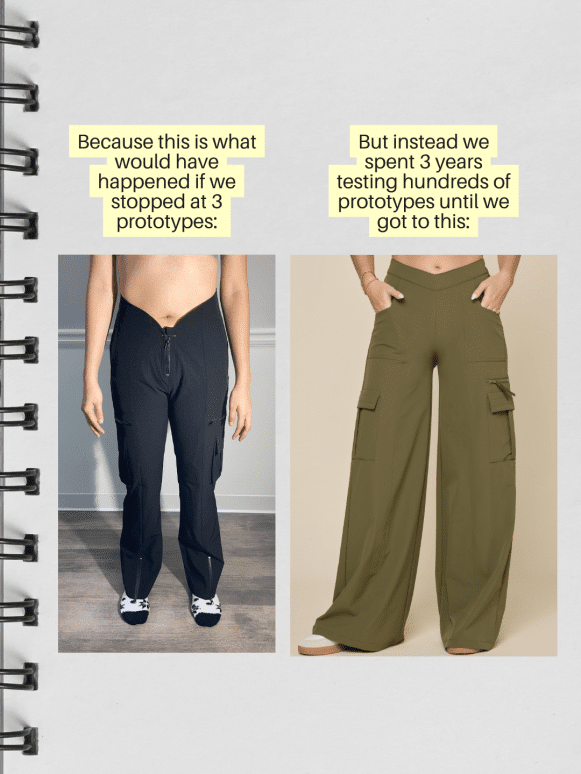
Product Development: Designing the initial collection is just the beginning. Sourcing materials, creating prototypes, refining fits, and testing quality all take time and resources. According to Business of Fashion, many designers underestimate the complexity and cost of product development, which can lead to delays or budget overruns.
Brand Identity: Your brand is your story — the personality you communicate to customers. This involves logo design, packaging, website creation, and marketing strategies that resonate with your target audience. Building a recognizable brand identity takes consistent effort and often expert help.
Financial Realities: Money Matters More Than Style
One of the biggest misconceptions is that a great design will automatically bring in profits. In reality, fashion is a tough industry with tight margins and high upfront costs.
Startup Costs: From fabric to manufacturing, photo shoots to advertising, initial investments can easily reach tens or hundreds of thousands of dollars. Small brands often rely on personal savings or crowdfunding to get off the ground.
Cash Flow Challenges: As noted by Entrepreneur, cash flow is critical in fashion. Brands must pay suppliers upfront but might not receive payment from retailers or customers until weeks later, creating financial strain.
Pricing Dilemmas: Pricing a product too high can alienate customers, but pricing too low may erode profits and the brand’s perceived value. Striking the right balance is part art, part science.
Supply Chain: The Invisible Backbone
Behind every garment is a complex supply chain that involves multiple stakeholders — from fabric mills and factories to shipping companies and warehouses.
Manufacturing Hurdles: Finding reliable manufacturers who can deliver quality products on time and within budget is a major obstacle for new brands. Many start with small orders from local producers, but scaling production demands international partnerships and logistics expertise.