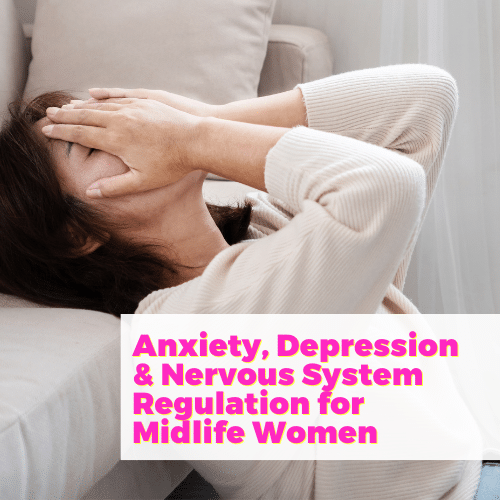

Understanding Anxiety, Depression, and Nervous System Regulation in Midlife Women
As women enter midlife, they often face a myriad of physical and emotional changes that can impact their mental health. Dr. Kristine Gravino, a renowned expert in women’s health, sheds light on the connection between anxiety, depression, and nervous system regulation during this transitional period.
The Rise of Anxiety and Depression in Midlife
According to Dr. Gravino, midlife women are particularly vulnerable to experiencing anxiety and depression due to hormonal fluctuations, life transitions, and societal expectations. The stress of balancing work, family, and personal responsibilities can take a toll on their mental well-being.
“Many women in midlife find themselves juggling career advancements, caring for aging parents, and managing their own health issues. This can lead to feelings of overwhelm, inadequacy, and anxiety,” explains Dr. Gravino.
The Role of Hormones
Hormonal changes, such as fluctuations in estrogen and progesterone levels, can also contribute to mood swings and emotional instability in midlife women. These hormonal shifts can disrupt the delicate balance of neurotransmitters in the brain, leading to symptoms of anxiety and depression.
“It’s important for women to be aware of how hormonal changes can impact their mental health and seek support from healthcare professionals if needed,” advises Dr. Gravino.
Nervous System Regulation and Stress Management
Dr. Gravino emphasizes the importance of regulating the nervous system to manage anxiety and depression in midlife women. Techniques such as mindfulness, deep breathing, and progressive muscle relaxation can help calm the body’s stress response and promote emotional well-being.
“By practicing relaxation techniques and engaging in activities that bring joy and fulfillment, women can cultivate resilience and cope with the challenges of midlife,” says Dr. Gravino.
Exercise and Physical Activity
Physical activity plays a crucial role in regulating the nervous system and improving mood in midlife women. Regular exercise releases endorphins, the body’s natural feel-good chemicals, which can help combat feelings of anxiety and depression.
“Engaging in activities that promote physical strength and flexibility, such as yoga or Pilates, can also enhance emotional resilience and self-confidence,” adds Dr. Gravino.
Seeking Professional Support
If anxiety and depression become overwhelming or interfere with daily functioning, Dr. Gravino encourages midlife women to seek professional support from therapists, counselors, or psychiatrists. Cognitive-behavioral therapy, medication, and holistic treatments can be effective in managing symptoms and improving mental health.
Self-Care and Emotional Well-Being
Self-care practices, such as setting boundaries, nurturing relationships, and prioritizing personal needs, are essential for maintaining emotional well-being in midlife women. Dr. Gravino emphasizes the importance of self-compassion and self-acceptance in navigating the challenges of midlife.
“Incorporating self-care rituals into daily life, such as journaling, meditation, or spending time in nature, can foster a sense of balance and inner peace,” says Dr. Gravino.
Conclusion
Dr. Kristine Gravino’s insights on anxiety, depression, and nervous system regulation in midlife women highlight the importance of mental health awareness and self-care practices during this transitional phase. By understanding the factors contributing to anxiety and depression, midlife women can proactively manage their mental well-being and thrive in this stage of life.